Links within ecosystems, a small UK example and global ecosystem patterns.
Notes and quizzes readyCore topic
Revise the key ideas
Ecosystem components and links
An ecosystem is a system in which living things interact with each other and with their non-living surroundings. Ecosystems range from a pond to a large forest.
Biotic components are living things, such as plants, animals and microorganisms. Abiotic components include sunlight, temperature, water, air and minerals in soil.
Producers, such as green plants and algae, make food using sunlight through photosynthesis. Consumers get energy by eating other organisms; herbivores eat plants and carnivores eat animals.
Decomposers, including many bacteria and fungi, break down dead material and waste. This returns nutrients to soil or water so producers can use them again.
A food chain shows one feeding pathway. Arrows point from the food to the organism eating it, showing the direction of energy transfer. A food web joins several linked food chains.
Energy enters most ecosystems through sunlight and is eventually lost as heat. Nutrients are recycled between organisms, dead material, soil and water; energy is not recycled in the same way.
Components depend on each other. Plants need water and minerals; animals need food and shelter; decomposers need dead material and suitable moisture and temperature.
Ecosystems change naturally through seasons and over longer periods. Balance is dynamic: populations fluctuate, rather than remaining exactly the same size.
A small UK ecosystem
A UK freshwater pond is a small-scale ecosystem. Light, water temperature, oxygen levels, water depth and nutrient supply affect which organisms can survive.
Algae and aquatic plants are producers. Pond snails and some insect larvae feed on plants or algae; predatory insects and fish eat other animals. Bacteria and fungi decompose dead material in the pond and its sediment.
One possible pond food chain is algae → water fleas → small fish → heron. A real pond food web has several pathways; the exact species vary between ponds.A possible pond food chain. Arrows run from food to consumer, showing energy transfer. This is an illustrative UK pond chain, not a fieldwork record.
Plants provide shelter as well as food. Submerged plants release oxygen during photosynthesis, while organisms also use oxygen for respiration, including at night.
Dead leaves and organisms add nutrients. Decomposers release them, and plants take them up. Temperature and oxygen affect how quickly decomposition happens.
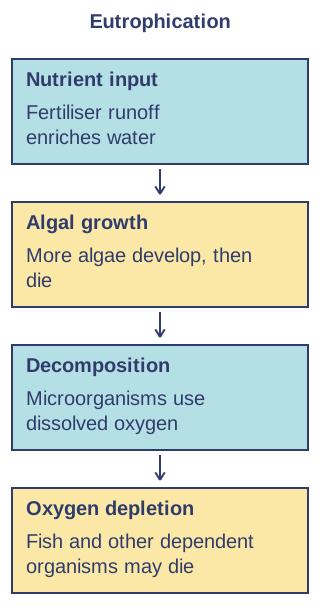
Too much fertiliser entering a pond can cause rapid algal growth. When algae die, decomposition uses oxygen, so fish and other oxygen-dependent organisms may die: this is eutrophication.
Removing a predator can increase its prey population and change food available to other organisms. Draining a pond removes habitat and can break many links at once.
Global ecosystems (biomes)
A biome is a large region with characteristic climate, vegetation and animals. Temperature and rainfall strongly influence its distribution, although soils, altitude and human activity also matter.
Tropical rainforests occur near the equator, including the Amazon, Congo Basin and Southeast Asia. They are hot and wet throughout the year and support dense vegetation and high biodiversity.
Tropical grasslands (savannas) occur either side of the equatorial rainforest belt. Warm temperatures and wet/dry seasons support grasses, scattered trees and grazing animals.
Hot deserts occur mainly near 30° north and south, including the Sahara and Australian deserts. Very low rainfall limits vegetation; water-saving adaptations help organisms survive.
Temperate deciduous forests occur in mid-latitudes, including parts of western Europe. Rainfall supports trees that shed leaves during the colder season.
Temperate grasslands occur in continental interiors with too little rainfall for extensive forest. Grasses dominate; many areas have been converted to farming.
Coniferous forests (taiga) stretch across high northern latitudes in Canada, Scandinavia and Russia. Long cold winters and short summers favour hardy evergreen conifers.
Tundra occurs beyond the northern tree line and in some high-altitude environments. Low temperatures, short growing seasons and often permafrost favour mosses, lichens and low shrubs.
Polar environments are very cold and usually receive little precipitation. Extensive ice and limited plant growth distinguish them from tundra.
Test yourself
50 questions · Random sets of 10. These quick checks support revision; practise longer explanations and justified judgements too.
Watch G5 · Ecosystems
Revise ecosystems with this narrated video. Use the player controls to pause, seek, adjust the volume or mute. Turn English captions on or off using the captions menu.
 Mr Kidman's Classroom